
Google Ads Asset-Level Reporting to Display Campaigns 2026 Update Guide
Google Adds Asset-Level Reporting to Display Campaigns: What Advertisers Need to Know (2026 Update)
Google Ads has announced one of the most important updates for Display advertisers: Asset-Level Reporting.
For years, advertisers requested deeper visibility into how each creative element performs. Until now, Display campaigns only provided overall performance data — not individual asset insights.
But in 2026, that changes.
This update brings Display Ads closer to the transparency already seen in Performance Max campaigns.
In this complete guide, you’ll learn:
- What asset-level reporting actually is
- Why this update matters
- What’s changing inside Google Ads
- How it works
- Best optimization strategies
- Who benefits the most
- How it impacts the future of Display advertising
Let’s dive in. Learn more Blog

What Is Asset-Level Reporting in Display Campaigns?
Asset-level reporting means Google will now show performance data for every individual creative asset used in a Display campaign.
This includes:
- Images
- Headlines
- Long headlines
- Descriptions
- Logos
- Short videos (Display video assets)
Previously, you could not see which image performed best or which headline contributed most to clicks or conversions. Only the campaign-level results were visible.
Now, Google provides detailed performance scores for every asset — similar to Performance Max asset insights. More learn click here
Why This Update Matters
For advertisers, this update is a major upgrade because it delivers clarity, control, and optimization power.
Here’s why it’s important:
✔ Individual creative performance visibility
You can finally compare:
- Best vs worst images
- Most engaging headlines
- High-CTR descriptions
- Weak assets dragging down performance
✔ Smarter optimization decisions
You can refresh or remove low-performing assets and scale top performers.
✔ Lower ad costs
When weak creatives are removed, Google’s system delivers ads more efficiently — reducing wasted budget.
✔ Better results
Better creatives = higher engagement = stronger CTR and conversion rates.
✔ Display Ads becomes more data-driven
Google Ads is moving toward a future where creative quality matters more than ever — and this update confirms that direction.
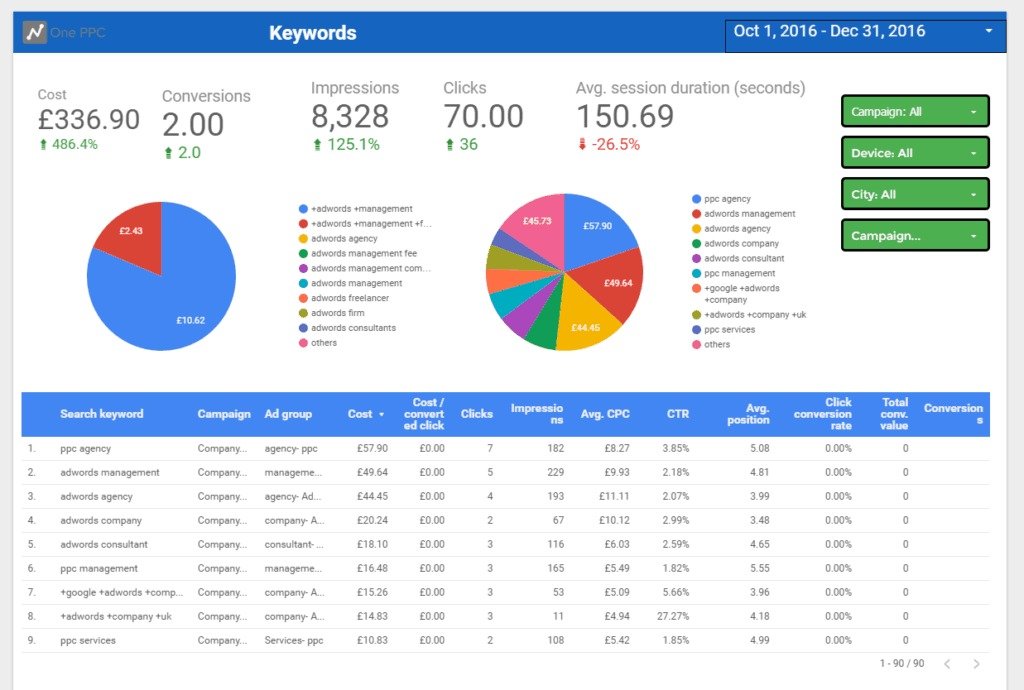
What’s New in Google Display Ads (2026 Update)
Google has introduced a new Assets Tab inside Display campaigns.
This tab includes:
- Performance comparison for every creative asset
Each asset gets a performance label such as:
- High
- Good
- Low
Along with metrics like:
- CTR
- Conversions
- Engagement rate
- Impressions
- Device performance breakdown
- Asset iteration history
You can now see:
- When an asset was added
- When Google last used it
- How long it has been in rotation
- Historical performance trends
This helps advertisers understand long-term creative performance.
- Recommendations based on data
Google Ads automatically recommends:
- Which assets to keep
- Which to refresh
- Which to remove
- When to add more variations
This makes optimization easier and faster.
How Asset-Level Reporting Works
Here’s what you will find in the new Assets Tab:
📌 Performance ratings for each asset
Google shows performance labels (High, Good, Low) based on predicted and actual engagement.
📌 Ad combination previews
You can see how Google combines images, text, and logos to create various ad formats.
📌 Device-specific performance data
You’ll learn which assets perform better on:
- Mobile
- Desktop
- Tablet
Improvement suggestions
Google provides suggestions such as:
- “Add more images”
- “Use higher-quality photos”
- “Add more variations of headlines”
- “Use lifestyle images for better engagement”
All of this was previously unavailable in Display Ads.
Benefits of Asset-Level Reporting
Here’s how this update helps advertisers:
✔ Better Optimization
Identify winning assets and increase their usage.
✔ Remove Poor-Performing Assets
Stop wasting budget on creatives that don’t work.
✔ Boost CTR and Conversions
High-performing assets naturally bring better results.
✔ Easier A/B Testing
Now you can test images, headlines, and descriptions side-by-side.
✔ More Transparency
Advertisers finally get performance visibility similar to Performance Max.
Best Strategies to Use This Update (2026)
To get the most value from Google’s new asset-level reporting, follow these proven strategies:
- Add More Creative Variations
Google recommends:
- 5–10 headlines
- 3–5 long headlines
- 5–10 descriptions
- 10–15 images (various sizes)
- Multiple logos
- At least one short video
More variety = better optimization.
- Replace “Low” Rated Assets Immediately
If an asset receives a “Low” rating:
- Replace it
- Refresh it
- Redesign it
This reduces your CPC and increases CTR.
- Reuse High-Performing Assets Across Other Campaigns
If one image performs extremely well in Display campaigns, test it in:
- Performance Max
- Discovery campaigns
- Social media ads
- YouTube ads
Good creative performs everywhere.
- Optimize Based on Device Performance
If mobile users respond to lifestyle images
and desktop users prefer product-focused images —
you can adjust assets accordingly.
- Follow Google’s Creative Recommendations
Google’s suggestions are based on performance predictions and machine learning.
Following them increases ad strength and overall results.
What This Means for the Future of Display Ads
This update clearly shows Google’s future direction:
✔ More transparency
✔ More automation
✔ More emphasis on creative quality
✔ More machine-learning-driven optimization
✔ A unified reporting system (similar to PMax)
In the coming years, creative assets will decide campaign success even more than keywords or targeting.
Advertisers who adapt now will stay ahead.
Who Will Benefit the Most?
- E-commerce brands
- Real estate campaigns
- Local service businesses
- App marketers
- SaaS companies
- Agencies running ads for multiple clients
- Freelancers and media buyers
- Content-heavy industries
Basically, anyone who runs Display Ads will see performance improvements.
Should You Update Your Display Campaigns Now?
Yes — immediately.
Here’s why:
- You get better visibility
- Stronger optimization options
- Higher conversions
- Lower costs
- Better creative development
- Better performance forecasting
Asset-level reporting is one of Google’s biggest Display Ads upgrades in years.
Final Thoughts
Google’s new Asset-Level Reporting for Display Campaigns brings a new level of transparency and control that advertisers have been waiting for.
By analyzing which creatives perform best, advertisers can make smarter decisions, reduce wasted ad spend, and improve results more efficiently than ever before.
Advertisers who adopt this update early will see significant improvements in:
- CTR
- Conversions
- Engagement
- Overall ROI
This is a major step forward for Display advertising — and a powerful upgrade for marketers in 2025 and beyond.